Order of Christian Funerals PDF: A Comprehensive Plan
Understanding the Order of Christian Funerals, often accessed as a PDF, provides a structured guide for celebrating the life of the deceased within the Christian faith․
This document details the various rites, from the initial reception to the final committal, centering on Christ’s resurrection and offering solace to mourners․
It outlines the liturgical options, including Mass and services without Mass, ensuring a reverent and meaningful farewell, reflecting the Paschal mystery․
The PDF serves as a resource for clergy, families, and those involved in planning and executing these sacred funeral ceremonies․
Christian funeral rites are deeply rooted in faith, offering a sacred pathway to honor the deceased and provide comfort to those grieving․ These rites, meticulously outlined in the Order of Christian Funerals – frequently consulted as a PDF resource – aren’t merely somber occasions, but vibrant celebrations of a life lived in relationship with Christ․
The Church’s approach to death and mourning is fundamentally shaped by the belief in the resurrection, viewing death not as an end, but as a transition to eternal life․ The funeral liturgy, therefore, focuses on proclaiming Christ’s victory over death and offering hope to the bereaved․
Historically, these rites have evolved, yet consistently maintain core elements: reception of the body, a vigil service (wake), the funeral liturgy itself (often a Mass), and the rite of committal․ The PDF document provides detailed guidance on each stage, ensuring consistency and reverence across parishes․
Understanding these rites is crucial for families navigating loss, allowing them to participate meaningfully in a tradition that has sustained believers for centuries․ The aim is to acknowledge grief while simultaneously affirming the enduring power of faith and the promise of eternal life through Christ․
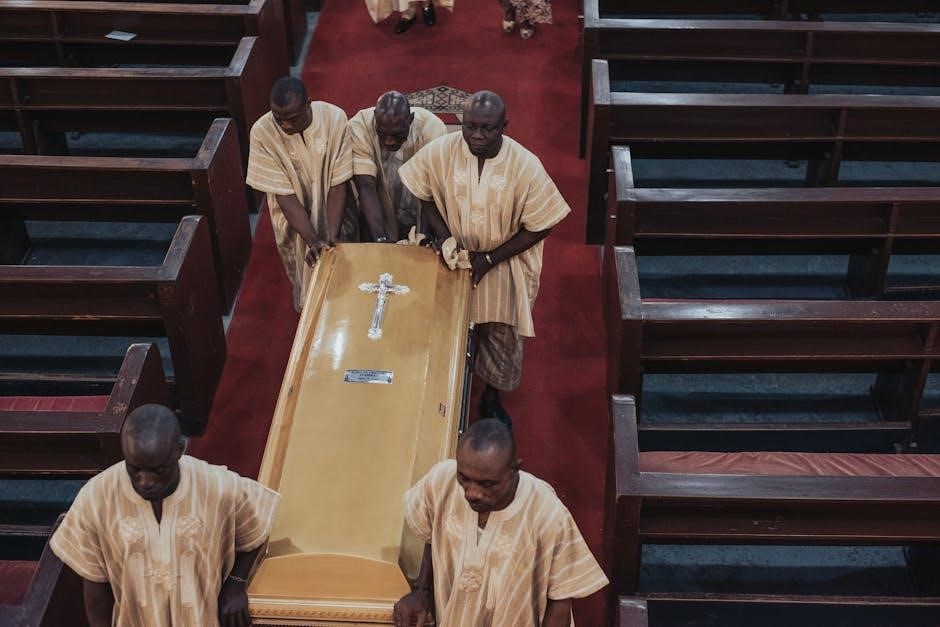
II․ The Theological Foundation
The Order of Christian Funerals, accessible as a comprehensive PDF, rests upon a robust theological foundation centered on the Paschal Mystery – Christ’s death and resurrection․ This isn’t simply a historical event, but the core of Christian belief, informing how the Church understands death and celebrates the lives of the faithful departed․
The funeral rites are designed to proclaim Christ’s triumph over death, offering hope and consolation to those who mourn․ They acknowledge the pain of loss, but ultimately direct attention towards the promise of eternal life, a gift made possible through Christ’s sacrifice․
This foundation dictates that the funeral liturgy isn’t merely a farewell, but a participation in the Paschal Mystery․ The PDF emphasizes that through the rites, the deceased are united with Christ in death and look forward to the resurrection․
Furthermore, the funeral is a communal act of worship, recognizing the deceased as a member of the Body of Christ and affirming the solidarity of the Church․ The theological underpinnings, detailed within the PDF, guide the selection of readings, prayers, and music, ensuring they reflect this central belief in resurrection and eternal life․
III․ The Paschal Mystery and Funerals
The Order of Christian Funerals, detailed in its PDF format, profoundly connects the funeral rites to the Paschal Mystery – the passion, death, and resurrection of Jesus Christ․ This isn’t a tangential connection, but the very heart of the Christian understanding of death and the afterlife․
The PDF clarifies that the Church celebrates the Paschal Mystery in the funeral rites, not simply at them․ This means the liturgy isn’t just remembering Christ’s resurrection, but making it present through prayer, scripture, and sacrament․ The deceased is seen as sharing in Christ’s death and hoping to share in His resurrection․
This perspective fundamentally shapes the tone and content of the funeral․ The emphasis shifts from grief and finality to hope and new life․ Readings and prayers, as outlined in the PDF, consistently point towards Christ’s victory over death․
The funeral liturgy, therefore, becomes a powerful witness to the Christian faith, proclaiming that death is not the end, but a transition to eternal life with Christ․ The PDF guides the faithful in understanding and participating in this profound mystery․
IV․ Overview of the Order of Christian Funerals
The Order of Christian Funerals, comprehensively outlined in its official PDF document, presents a structured yet adaptable framework for celebrating the life of a deceased Christian․ It’s designed to encompass the journey from death to burial, emphasizing the Church’s belief in the resurrection and eternal life through Christ․
The PDF details three primary stages: the Vigil (Wake), the Funeral Liturgy (typically a Mass, but can be a service without Mass), and the Rite of Committal․ Each stage features specific prayers, readings, and rituals intended to honor the deceased and offer comfort to the bereaved․
The document emphasizes flexibility, acknowledging varying circumstances and cultural sensitivities․ The PDF provides options for adapting the rites to suit individual needs while maintaining the core theological principles․ It also clarifies the roles of different participants – clergy, family, and mourners․
Understanding the overall structure, as presented in the PDF, allows for a more meaningful and reverent experience, ensuring the funeral truly reflects the Christian hope and the Paschal Mystery of Christ․
V․ Key Components of the Funeral Mass
The Funeral Mass, detailed within the Order of Christian Funerals PDF, is the central liturgical celebration honoring the deceased․ It’s fundamentally a celebration of the Eucharist, recognizing the deceased’s participation in the Paschal Mystery of Christ – his death and resurrection․
Key components, as outlined in the PDF, include the Introductory Rites, setting a sacred tone; the Liturgy of the Word, featuring scripture readings reflecting themes of hope and eternal life; and the Liturgy of the Eucharist, the heart of the Mass, offering the ultimate sacrifice․
The PDF emphasizes the importance of specific prayers and intercessions tailored for the deceased and their loved ones․ The Eucharistic Prayer specifically remembers the departed, entrusting them to God’s mercy․ Communion follows, uniting the faithful in Christ․
The Funeral Mass isn’t merely a farewell, but a powerful affirmation of faith, offering comfort and hope through the celebration of Christ’s victory over death, as meticulously described in the official PDF document․
VI․ The Rite of Reception of the Body
The Rite of Reception of the Body, as detailed in the Order of Christian Funerals PDF, marks the initial formal welcome of the deceased into the church community․ This rite, often occurring at the church entrance, signifies the Church’s acknowledgement of the loss and its commitment to accompanying the family through grief․
The PDF outlines that this reception typically involves a greeting by the priest, often accompanied by scripture readings or prayers, acknowledging the deceased’s baptismal dignity and their journey towards eternal life with Christ․ Incense may be used, symbolizing prayers rising to God․
If the rite precedes the Funeral Mass, the introductory rites of the Mass are adjusted accordingly, as specified in the PDF․ The reception serves as a poignant beginning, setting a reverent tone for the subsequent liturgical celebrations․ It’s a public expression of faith and communal support․
The PDF emphasizes that this rite is a moment of solemnity and respect, recognizing the body as a temple of the Holy Spirit, preparing it for the sacred journey ahead, ultimately resting in Christ․
VII․ The Vigil Service (Wake)
The Vigil Service, or wake, as outlined in the Order of Christian Funerals PDF, holds a significant place in the mourning process, offering a dedicated time for prayer and remembrance․ The PDF details that this service typically takes place at the funeral home or in the home of the deceased, fostering a more intimate setting for family and friends․
Traditionally, the Vigil includes readings from scripture, often focusing on themes of resurrection and eternal life in Christ, alongside prayers and hymns․ The PDF suggests a “Reading from the Letter of St․ Paul” as a suitable option, reinforcing the hope found in faith․
The service may also incorporate personal reflections and memories shared by loved ones, celebrating the life of the deceased․ The PDF emphasizes the importance of this communal aspect, providing mutual support during a difficult time․ It’s a time to commend the soul to God’s mercy․
The Vigil is not simply a social gathering, but a sacred time of prayerful anticipation of the Funeral Liturgy, preparing hearts for the celebration of the Paschal mystery․
VIII․ The Funeral Liturgy (Mass)
The Funeral Liturgy, specifically the Mass, is presented as the central and most complete expression of the Christian funeral rite within the Order of Christian Funerals PDF․ The document highlights that the Mass is a memorial of Christ’s death and resurrection, offering comfort and hope to those grieving․
The PDF details that the Funeral Mass follows the standard structure of any Catholic Mass, but with specific adaptations to acknowledge the death and commend the deceased to God․ It emphasizes the focus on the Paschal mystery, reminding the faithful of eternal life through Christ․
The PDF outlines the importance of carefully selected readings and prayers, reflecting the life of the deceased and the promises of the Gospel․ The Eucharistic Prayer becomes a powerful offering for the repose of the soul․
Participation in the Eucharist is central, uniting the community in prayer and offering spiritual nourishment․ The PDF stresses that the Funeral Mass is not a time for sadness, but a celebration of a life lived in faith and the hope of eternal glory․
IX․ The Introductory Rites of the Mass
As detailed in the Order of Christian Funerals PDF, the Introductory Rites of the Funeral Mass establish a sacred atmosphere and prepare the congregation for the celebration of the Eucharist․ These rites, while familiar in structure, are adapted to acknowledge the solemnity of the occasion and the remembrance of the deceased․
The PDF specifies that if the reception of the body occurred elsewhere, the entrance procession begins at the church entrance․ Otherwise, the Mass commences with the usual entrance hymn and greeting․ The Collect prayer is specifically chosen to reflect themes of hope, resurrection, and comfort for those who mourn․
The PDF emphasizes the importance of a reverent and dignified atmosphere during these initial moments․ The Introductory Rites serve to focus the attention of all present on the purpose of the Mass: to commend the soul of the deceased to God and to offer solace to the bereaved․
These rites are a gentle transition into the heart of the liturgy, setting the tone for a worshipful and meaningful celebration of a life lived in faith, guided by the teachings of Christ․
X․ The Liturgy of the Word
The Order of Christian Funerals PDF outlines the Liturgy of the Word as a central component of the Funeral Mass, offering scriptural reflections on death, resurrection, and eternal life․ This section provides comfort and hope to those grieving, grounding their faith in the promises of Christ․
The PDF details that typically, three readings are proclaimed: one from the Old Testament, one from the New Testament (often a passage about the resurrection), and the Gospel reading, which always focuses on the resurrection of Jesus․ These readings are carefully selected to offer a message of consolation and reaffirmation of faith․
The PDF also specifies the inclusion of the Responsorial Psalm, which provides a meditative response to the first reading; Following the readings, the priest or deacon delivers a homily, connecting the scriptures to the life of the deceased and offering pastoral guidance to the mourners․
This portion of the Mass is designed to nourish faith and provide a spiritual foundation for the celebration of the Eucharist, reminding all present of God’s enduring love and the promise of eternal life․
XI․ Readings and Prayers
The Order of Christian Funerals PDF provides extensive guidance on selecting appropriate readings and composing prayers for the funeral liturgy․ The PDF emphasizes that readings should reflect the hope of resurrection and the comforting presence of God during times of grief, centering on Christ’s victory over death․
The document offers a comprehensive list of approved Old and New Testament passages, including options from the Letters of St․ Paul, which speak directly to the Christian understanding of death and eternal life․ The Gospel reading invariably focuses on the resurrection narratives, reinforcing the core belief in Christ’s triumph․
The PDF also details the structure and content of the prayers, including the Prayer of the Faithful (also known as the General Intercessions)․ These prayers offer opportunities for the congregation to participate actively, offering petitions for the deceased, their family, and the wider community․
The selection of readings and the composition of prayers are intended to create a deeply meaningful and spiritually enriching experience for all present, offering solace and reaffirming faith in God’s loving mercy․
XII․ The Liturgy of the Eucharist
As detailed in the Order of Christian Funerals PDF, the Liturgy of the Eucharist stands as the central act of worship within the Funeral Mass․ This section commemorates the sacrifice of Christ and affirms the belief in his resurrection, offering profound comfort to those mourning․
The PDF outlines the precise order of events, beginning with the preparation of the gifts – bread and wine – symbolizing Christ’s body and blood․ The Eucharistic Prayer, a solemn and powerful invocation, follows, recalling the Last Supper and the saving work of redemption․

The PDF emphasizes the importance of the “Lamb of God” invocation, a plea for mercy and peace․ Communion then takes place, with the faithful receiving the Body and Blood of Christ, uniting them more closely with the risen Lord․
This participation in the Eucharist is not merely a remembrance of Christ’s death, but a participation in his eternal life, offering hope and assurance of eternal life to the deceased and those who grieve․ The PDF stresses the sacredness of this moment․
XIII․ The Eucharistic Prayer and Communion
The Order of Christian Funerals PDF meticulously details the profound significance of the Eucharistic Prayer and subsequent Communion․ This central element of the Funeral Mass directly connects the deceased to the Paschal Mystery of Christ – his death and resurrection․
The PDF specifies several Eucharistic Prayers suitable for funerals, each emphasizing themes of hope, redemption, and eternal life․ The priest, guided by the PDF, invokes the Holy Spirit, recalling the life of the deceased and presenting them to God the Father․
Following the prayer, the “Lamb of God” is chanted, preparing the congregation for the reception of Communion․ The PDF clarifies that all Catholics in full communion with the Church are welcome to receive the Eucharist․
Communion itself is presented as spiritual nourishment, uniting the faithful with Christ and offering solace to those grieving․ The PDF emphasizes that receiving Communion is a sign of hope and a participation in the eternal banquet of heaven, a powerful testament to faith;
XIV․ The Rite of Committal
The Order of Christian Funerals PDF outlines the Rite of Committal as the final act of the funeral liturgy, typically conducted at the place of burial or cremation․ This rite signifies the Church’s final commendation of the deceased to God and reflects the belief in the resurrection of the body․
As detailed in the PDF, the rite usually involves prayers, scripture readings, and the sprinkling of the body with holy water – a symbol of purification and new life in Christ․ The priest, guided by the PDF, leads the congregation in prayers expressing faith in eternal life․
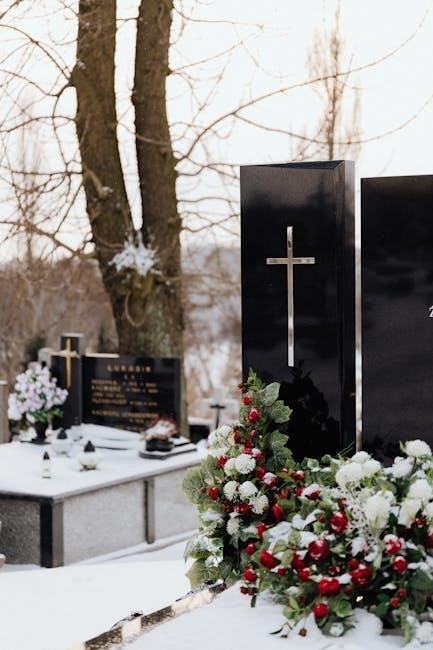
The PDF emphasizes that the committal is not merely a secular farewell but a continuation of the funeral Mass, reinforcing the hope of resurrection․ It acknowledges the body as a temple of the Holy Spirit and entrusts it to the earth, awaiting the final transformation․
Specific prayers within the PDF address the hope of reunion with loved ones in heaven and the promise of God’s loving embrace․ The rite concludes with a final blessing, offering peace and comfort to those remaining․
XV․ Prayers at the Place of Committal
The Order of Christian Funerals PDF provides a selection of prayers specifically designed for recitation during the Rite of Committal․ These prayers, detailed within the PDF, are central to entrusting the deceased to God and affirming the Christian hope of resurrection․
The PDF outlines prayers acknowledging the body as a temple of the Holy Spirit, now returning to the earth from which it came․ These petitions ask for God’s protection and blessing upon the remains, anticipating the final transformation at the end of time․
Included in the PDF are prayers of commendation, directly addressing God with trust and faith․ They express the belief that death is not an end, but a passage to eternal life with Christ․ The PDF also offers intercessions for the bereaved, seeking comfort and strength during their grief․
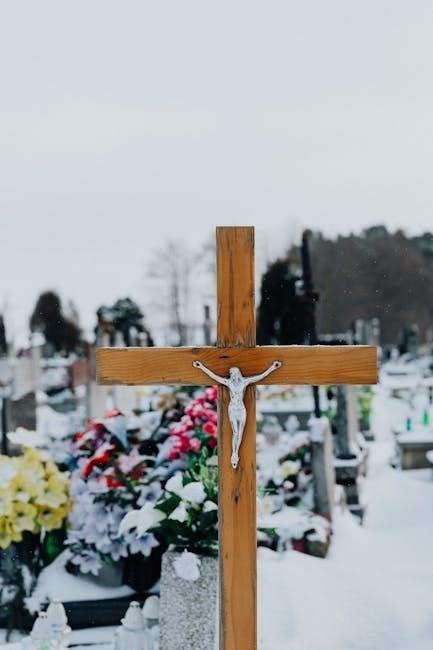
The PDF emphasizes the importance of adapting the prayers to the specific circumstances and the wishes of the family․ These prayers, rooted in scripture and tradition, offer a powerful expression of faith and hope at the graveside or crematorium․
XVI․ Variations Based on Circumstances
The Order of Christian Funerals PDF acknowledges that funeral rites must be adaptable to diverse situations․ The PDF details variations based on factors like the deceased’s age, social standing, and the specific circumstances of their death․ It provides guidance for funerals of infants, children, and those who died suddenly or tragically․
The PDF outlines adjustments for funerals held outside of a church, such as at the graveside or in a funeral home․ It also addresses situations where a large number of mourners are expected, requiring logistical considerations․ The document offers options for incorporating cultural traditions, while remaining faithful to core Christian beliefs․
Furthermore, the PDF details how to modify the rites for cremated remains, ensuring reverence and respect․ It provides specific prayers and gestures appropriate for committal services involving cremation․ The PDF also addresses the possibility of memorial services, held when the body is not present․
Ultimately, the PDF emphasizes pastoral sensitivity and flexibility, allowing for personalized funerals that honor the deceased and provide comfort to the grieving, always centered on the hope of Christ’s resurrection․
XVII․ Funerals Outside of Mass
The Order of Christian Funerals PDF provides a distinct rite for funerals occurring outside of the celebration of Mass, offering a respectful alternative when a full Mass isn’t feasible or appropriate․ This PDF section details a service centered around the Word of God, Scripture readings, and prayers of commendation․
It outlines a specific order of service, including a welcome, opening prayer, readings (typically Old and New Testament passages), a homily reflecting on the deceased’s life and faith, and intercessions offered for the departed and those who mourn․ The PDF emphasizes the importance of proclaiming the Gospel as a central element․
The rite includes prayers adapted from the Roman Missal, focusing on themes of hope, resurrection, and eternal life in Christ․ It also features the Lord’s Prayer and a final blessing․ The PDF clarifies that while not a Eucharistic celebration, this service maintains a deeply liturgical character․
This alternative allows for a meaningful and reverent farewell, acknowledging the deceased’s dignity and offering comfort to the bereaved, while still upholding the core tenets of the Christian faith․
XVIII․ Specific Prayers and Intercessions
The Order of Christian Funerals PDF dedicates significant attention to the selection and use of specific prayers and intercessions, recognizing their vital role in expressing faith and offering comfort․ This section of the PDF provides a rich collection of prayers tailored for various moments within the funeral rites․
It includes prayers for the reception of the body, the vigil service, during the Funeral Mass, and at the place of committal․ The PDF offers multiple options for each occasion, allowing for customization based on the deceased’s life, the family’s preferences, and the liturgical season․ Intercessions, or prayers of petition, are also extensively provided․
These intercessions address God on behalf of the deceased, seeking eternal rest and peace, and for the comfort of those grieving․ The PDF encourages the inclusion of intentions specific to the deceased’s life and work․ Prayers acknowledging Christ’s victory over death are central․
The document emphasizes the importance of praying with and for the deceased, reinforcing the communion of saints and the hope of resurrection, offering solace and spiritual strength․
XIX․ The Role of Music in Christian Funerals
The Order of Christian Funerals PDF acknowledges music as an integral element, enhancing the liturgical experience and conveying profound emotional and spiritual meaning․ The document doesn’t prescribe specific pieces but offers guidance on selecting music appropriate for the solemnity of the occasion and the message of hope in Christ’s resurrection․
The PDF suggests hymns, psalms, and other sacred music that reflect themes of mourning, remembrance, and eternal life․ Instrumental music can also be incorporated, providing a reflective atmosphere․ Music during the reception of the body, the entrance procession, the offertory, and communion are specifically addressed․
The choice of music should align with the readings and prayers, reinforcing the liturgical themes․ The PDF emphasizes that music should uplift and console, avoiding selections that are overly sentimental or secular in nature․ It should support prayerful reflection and acknowledge God’s presence․
Ultimately, music serves to express faith, offer comfort to the bereaved, and celebrate the life of the deceased within the context of the Christian tradition․
XX․ Accessing the Official PDF Document
The official Order of Christian Funerals PDF document is readily available through several avenues, primarily through the United States Conference of Catholic Bishops (USCCB) website․ This resource provides the most accurate and up-to-date version of the liturgical guidelines for Christian funerals․
A direct link to the PDF can typically be found within the USCCB’s section on Liturgy and Sacraments, specifically under resources related to the Pastoral Care of the Sick and Dying․ Diocesan websites often host the document as well, offering convenient access for local parishes and communities․
Searching online using keywords like “Order of Christian Funerals PDF USCCB” will also yield reliable results․ It’s crucial to ensure the document originates from a trusted source, such as the USCCB, to guarantee its authenticity and adherence to official Church teachings․
This PDF serves as an essential guide for clergy, funeral directors, and families seeking to understand and implement the proper rites and ceremonies associated with Christ’s final farewell․