Emily Dickinson Poems PDF: A Comprehensive Guide
Discover a wealth of Emily Dickinson’s poetic masterpieces readily available in PDF format‚ sourced from Wikisource and the Internet Archive.
Explore digitized collections like the “Second Series (1891)”‚ offering convenient access to her profound verses.
Emily Dickinson‚ a reclusive literary figure of the 19th century‚ penned nearly 1‚800 poems‚ most discovered posthumously. Her work‚ characterized by unconventional form and profound themes‚ continues to captivate readers. Accessing her poetry today is remarkably easy‚ thanks to digitized collections available in PDF format.
These PDF versions‚ often sourced from early published collections and comprehensive editions‚ allow for convenient study and preservation of her unique voice. Platforms like Wikisource and the Internet Archive host these invaluable resources‚ making Dickinson’s legacy accessible to all. Exploring these digital archives unlocks a deeper understanding of her artistry.
What are PDF Versions of Dickinson’s Poems?
PDF versions of Emily Dickinson’s poems are digital reproductions of her work‚ often originating from scanned books and scholarly editions. These files preserve the original formatting‚ including line breaks and punctuation‚ crucial to understanding her distinctive style. Digitization efforts‚ like those on Wikisource‚ create accessible‚ searchable copies.
PDFs offer portability and ease of annotation‚ ideal for students and researchers. They range from single poem documents to complete collections‚ such as the “Second Series (1891).” These digital formats ensure her poetry remains widely available and easily shared‚ fostering continued engagement with her literary contributions.
Why Seek Dickinson’s Poems in PDF Format?
PDF format provides convenient access to Emily Dickinson’s poetry‚ eliminating the need for physical books. These digital versions are easily searchable‚ allowing readers to quickly locate specific poems or themes. PDFs are also highly portable‚ accessible on various devices like smartphones‚ tablets‚ and computers.
Furthermore‚ PDFs often support annotation features‚ enabling close reading and scholarly analysis. Resources like Project Gutenberg and the Internet Archive offer free PDF downloads‚ democratizing access to her work. This format preserves textual integrity‚ crucial for studying Dickinson’s unique style.
Historical Context of Dickinson’s Work
Emily Dickinson lived during the 19th century‚ a period of significant social and intellectual change in America. Her poetry‚ largely written in isolation‚ reflects the era’s transcendentalist and Romantic influences‚ alongside emerging Victorian sensibilities. While largely unpublished during her lifetime‚ her work began appearing in print posthumously‚ starting with collections in the 1890s.
Accessing PDF versions of her poems allows modern readers to engage with these historical texts directly. Digitized collections‚ like those found on Wikisource‚ preserve the original formatting and textual nuances‚ offering insight into the publishing history of her work.
Early Published Collections (1890s)
Emily Dickinson’s poems first reached the public after her death in 1886‚ with initial collections appearing in the 1890s. These early publications‚ often heavily edited for Victorian tastes‚ presented a curated version of her unconventional style. Finding PDF scans of these original editions provides valuable insight into how her work was initially received.
Resources like the Internet Archive and Wikisource host digitized copies of these early volumes‚ allowing comparison with later‚ more complete editions. Examining these PDF versions reveals the editorial choices made and their impact on Dickinson’s poetic voice.
The Complete Poems (Thomas H. Johnson Edition)
Thomas H. Johnson’s 1955 edition‚ The Complete Poems of Emily Dickinson‚ remains a cornerstone for Dickinson scholars and readers alike. This edition aimed for a more faithful representation of her original manuscripts‚ including her unique punctuation and capitalization.
Numerous PDF versions of Johnson’s edition are available online‚ offering a comprehensive collection of her 1‚789 poems. These PDFs are invaluable for in-depth study‚ allowing researchers to analyze Dickinson’s stylistic choices and thematic concerns with greater accuracy. Accessing this edition digitally enhances research possibilities.

Finding Free PDF Downloads
Locating free PDF downloads of Emily Dickinson’s poems is achievable through several reputable online resources. Project Gutenberg and the Internet Archive are excellent starting points‚ offering digitized versions of various collections.
Wikisource also provides access to early published editions‚ like the “Second Series‚” in PDF format. Search engines can also reveal links to legally available PDFs‚ but always verify the source’s legitimacy to ensure copyright compliance and avoid malware.
Project Gutenberg and Dickinson’s Poems
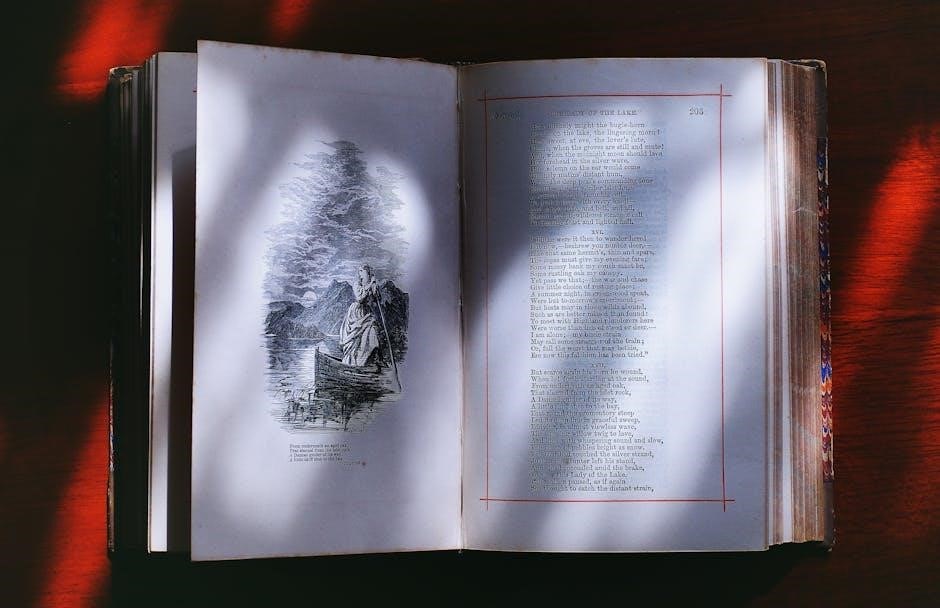
Project Gutenberg stands as a valuable resource for accessing Emily Dickinson’s poetry in PDF format‚ offering a selection of her complete works free of charge. This digital library provides meticulously proofread texts‚ ensuring accuracy and readability.
Users can easily download these PDF files for offline reading‚ making Dickinson’s poems readily available on various devices. Project Gutenberg’s commitment to public domain literature makes it a reliable source for exploring her poetic legacy without cost or restriction.
Internet Archive Resources for Dickinson
The Internet Archive provides a diverse collection of Emily Dickinson’s poems in PDF format‚ encompassing various editions and historical publications. Users can discover scanned copies of early collections‚ like the 1890s publications‚ and later scholarly editions.
This archive offers access to digitized books and documents‚ allowing researchers and poetry enthusiasts to explore Dickinson’s work in its original context. The Internet Archive facilitates preservation and widespread access to these invaluable literary resources‚ offering a rich experience.
Wikisource Availability of Dickinson’s Poems
Wikisource hosts a growing library of Emily Dickinson’s poems in PDF-accessible formats‚ specifically digitized versions like the “Second Series (1891)”. This platform focuses on providing source texts‚ enabling readers to engage with the poems as they originally appeared in published collections.
Wikisource offers a collaborative environment where volunteers contribute to transcribing and proofreading texts‚ ensuring accuracy and accessibility. It’s a valuable resource for studying Dickinson’s work‚ offering a direct link to historical publications and textual variations.
Navigating Different PDF Editions
PDF versions of Emily Dickinson’s poems vary significantly depending on the source and editorial choices. Early editions‚ like those found on Wikisource‚ reflect the poems’ initial publication with unique formatting and potential textual differences.
Later‚ more comprehensive editions‚ such as the Thomas H. Johnson compilation‚ present a more standardized and scholarly approach. When exploring PDFs‚ consider the edition’s origin and editorial notes to understand any variations in punctuation‚ capitalization‚ or poem arrangement.
Understanding Textual Variations
Emily Dickinson’s poems‚ when encountered in PDF format‚ often exhibit textual variations due to the complex history of their publication. Early printings‚ and consequently their digitized PDF counterparts‚ frequently feature unconventional punctuation – dashes‚ capitalization‚ and slant rhyme – reflecting her unique style.
Scholarly editions strive for accuracy‚ but interpretations differ. Comparing PDFs from Wikisource and later collections reveals these nuances. Recognizing these variations enhances appreciation for Dickinson’s artistry and the editorial decisions shaping her legacy.
Comparing Different PDF Sources
PDF versions of Emily Dickinson’s poems sourced from Project Gutenberg‚ the Internet Archive‚ and Wikisource may present discrepancies. Wikisource offers scans of original publications‚ potentially showcasing early editorial choices. Project Gutenberg provides text-based PDFs‚ often standardized for readability.
Careful comparison reveals variations in punctuation‚ line breaks‚ and even poem arrangements. Examining these differences illuminates the evolution of Dickinson’s work through various editorial interpretations and digitization processes‚ enriching understanding.

Copyright and Public Domain Considerations
Emily Dickinson’s poems are largely within the public domain‚ allowing for free distribution of PDF versions. However‚ specific editions—particularly those with extensive scholarly annotations or unique formatting—may retain copyright protection.
Project Gutenberg and Wikisource primarily offer works demonstrably in the public domain. Users should verify the copyright status of any PDF before redistribution‚ especially if it includes new critical material. Understanding these legal aspects ensures responsible access and sharing of Dickinson’s poetry.
Key Themes in Dickinson’s Poetry
Emily Dickinson’s poems‚ readily available in PDF format‚ consistently explore profound themes. Nature and the Sublime frequently appear‚ portraying the power and beauty of the natural world. Death and Immortality are central‚ examined with startling honesty and unconventional perspectives.
Faith and Doubt intertwine‚ reflecting her complex spiritual journey. These themes are accessible through numerous PDF collections‚ offering readers a deep dive into her introspective and revolutionary poetic vision.
Nature and the Sublime
Emily Dickinson’s poems‚ easily found in PDF versions‚ frequently depict Nature as a powerful and awe-inspiring force. She portrays landscapes not merely as settings‚ but as reflections of the Sublime – experiences that evoke wonder and a sense of the infinite.
PDF collections reveal her detailed observations of flora‚ fauna‚ and the seasons‚ imbued with spiritual significance. These poems explore the relationship between humanity and the natural world‚ often questioning conventional perceptions.

Death and Immortality
Emily Dickinson’s exploration of Death and Immortality is central to her work‚ readily accessible through numerous PDF compilations. Her poems don’t shy away from the subject‚ but rather confront it with startling intimacy and unconventional perspectives.
PDF readers can discover how she personifies Death‚ often as a courteous gentleman‚ and contemplates the afterlife not as a distant realm‚ but as a continuation of existence. These poems delve into themes of grief‚ loss‚ and the enduring power of the soul.
Faith and Doubt
Emily Dickinson’s complex relationship with Faith and Doubt is powerfully conveyed in her poetry‚ easily studied through available PDF versions of her collected works; She grapples with traditional religious beliefs‚ questioning dogma and exploring personal spirituality.
PDF readers will find poems that express both profound belief and skeptical inquiry‚ often simultaneously. Dickinson’s verses reveal a struggle to reconcile faith with the realities of suffering and the mysteries of the universe‚ offering a nuanced and deeply personal perspective;
Analyzing Dickinson’s Unique Style
Emily Dickinson’s distinctive poetic style‚ readily apparent in PDF collections of her work‚ defies conventional norms. Her unconventional use of punctuation – particularly the dash – creates pauses and emphasizes certain phrases‚ impacting rhythm and meaning.
PDF access allows close examination of her frequent capitalization of common nouns and her masterful employment of slant rhyme. These stylistic choices‚ easily observed in digitized texts‚ contribute to the poems’ fragmented yet intensely focused quality‚ making her voice instantly recognizable.
Use of Slant Rhyme

Emily Dickinson’s innovative use of slant rhyme‚ or near rhyme‚ is a defining characteristic of her poetry‚ easily studied within PDF versions of her collected works. Unlike perfect rhymes‚ slant rhymes offer a subtle dissonance‚ creating a sense of unease or incompleteness.
PDF access allows readers to meticulously analyze examples like “Room – Storm‚” highlighting how this technique contributes to the poems’ unique musicality and emotional depth. This deliberate deviation from traditional rhyme schemes reinforces her unconventional style and adds layers of complexity.
Dash Usage and Fragmentation
Emily Dickinson’s distinctive use of the dash – and frequent sentence fragmentation – is readily apparent when examining her poems in PDF format. These dashes aren’t merely punctuation; they create pauses‚ interruptions‚ and shifts in thought‚ mirroring the complexities of the human mind.
PDF versions facilitate close reading‚ allowing observation of how dashes disrupt conventional syntax‚ emphasizing certain words and creating ambiguity. This fragmentation contributes to the poems’ introspective and often elusive quality‚ inviting multiple interpretations and deeper engagement with her work.
Capitalization and Punctuation
Emily Dickinson’s unconventional capitalization and punctuation are strikingly visible within PDF versions of her poetry. She frequently capitalized common nouns‚ seemingly to imbue them with heightened significance and symbolic weight. This practice‚ alongside her liberal dash usage‚ creates a unique visual rhythm on the page.
PDF formats allow detailed scrutiny of these stylistic choices‚ revealing how Dickinson manipulated grammatical norms to convey nuanced meaning. Studying these elements in PDFs enhances understanding of her poetic voice and the deliberate artistry behind her seemingly idiosyncratic style.
Popular Poems Available in PDF
Numerous beloved Emily Dickinson poems are easily accessible in PDF format across various online repositories. “Because I could not stop for Death” – a profound meditation on mortality – is widely available. Similarly‚ “Hope is the thing with feathers‚” a concise exploration of resilience‚ appears frequently in digitized collections.

PDF access also extends to “I’m Nobody! Who are you?” a playful yet insightful poem on identity. These readily downloadable PDFs offer convenient study and enjoyment of Dickinson’s most celebrated works‚ fostering deeper engagement with her poetic legacy.
“Because I could not stop for Death”
Widely considered one of Emily Dickinson’s most famous works‚ “Because I could not stop for Death” is readily found in numerous PDF compilations. These digital versions allow for close textual analysis of its unique structure and themes. The poem’s exploration of death as a gentle carriage ride is accessible through Wikisource and Internet Archive resources.
PDF formats facilitate easy annotation and study of its slant rhyme and distinctive punctuation. Readers can conveniently access and examine this iconic poem‚ deepening their understanding of Dickinson’s poetic genius.

“Hope is the thing with feathers”
“Hope is the thing with feathers”‚ a beloved and frequently studied poem by Emily Dickinson‚ is easily accessible in various PDF collections online. Digital archives like Project Gutenberg and the Internet Archive offer convenient access to this inspiring work. The poem’s metaphorical exploration of hope as a resilient bird is readily available for scholarly examination.
PDF versions allow readers to closely analyze Dickinson’s use of imagery and capitalization. Studying the poem in this format enhances comprehension and appreciation of its enduring message.
“I’m Nobody! Who are you?”
“I’m Nobody! Who are you?”‚ a playfully subversive poem by Emily Dickinson‚ is widely available in PDF format through online repositories. Wikisource and digitized collections from the 1890s publications provide accessible versions of this iconic work. The poem’s exploration of identity and societal recognition is easily studied via digital downloads.
PDF access facilitates detailed analysis of Dickinson’s unique punctuation and slant rhyme. Readers can conveniently examine the poem’s structure and themes‚ fostering a deeper understanding of its literary significance.
Tools for Reading and Annotating PDFs
Reading Emily Dickinson’s poems in PDF format is enhanced by various software tools. Adobe Acrobat Reader remains a popular choice‚ offering basic viewing and annotation features. Foxit Reader provides a lightweight alternative with similar capabilities. For more advanced editing‚ online PDF editors allow highlighting‚ note-taking‚ and even text manipulation.
These tools are invaluable for scholarly study‚ enabling close readings and detailed analysis of Dickinson’s unique style. Digital annotation fosters a deeper engagement with the text‚ improving comprehension and retention.
Adobe Acrobat Reader
Adobe Acrobat Reader is a widely used‚ free software for viewing‚ signing‚ and commenting on PDF documents‚ including collections of Emily Dickinson’s poems. It allows readers to easily navigate through pages‚ zoom in for detailed examination of her distinctive punctuation‚ and search for specific keywords or phrases within the text.
Basic annotation tools enable highlighting key verses and adding notes‚ facilitating close reading and analysis. While offering robust functionality‚ it’s a foundational tool for accessing and interacting with PDF versions of Dickinson’s work.
Foxit Reader
Foxit Reader presents a lightweight and efficient alternative to Adobe Acrobat Reader for accessing Emily Dickinson’s poems in PDF format. This free software provides essential features for reading‚ annotating‚ and managing PDF files‚ offering a streamlined experience for poetry enthusiasts.
Users can highlight impactful lines‚ add sticky notes for interpretations‚ and utilize the search function to locate specific themes or imagery within Dickinson’s verses. Its speed and simplicity make it a practical choice for studying her work.
Online PDF Editors
Online PDF editors offer convenient tools for interacting with Emily Dickinson’s poems in PDF format directly within a web browser‚ eliminating the need for software downloads. Platforms like Smallpdf or iLovePDF allow users to annotate‚ highlight‚ and even convert PDF files.

These editors are particularly useful for collaborative study‚ enabling shared annotation and discussion of Dickinson’s unique style and themes. Accessibility across devices makes them ideal for reading and analyzing her poetry on the go.
Optimizing PDF Reading on Different Devices
Reading Dickinson’s poems in PDF format requires device-specific optimization for the best experience. Smartphones and tablets benefit from utilizing dedicated PDF reader apps with adjustable font sizes and screen brightness.
E-readers‚ like Kindles‚ may require conversion to a compatible format. On computers‚ utilizing Adobe Acrobat Reader or similar software allows for detailed annotation and navigation. Zooming features and full-screen mode enhance readability‚ immersing you in Dickinson’s world.
Smartphones and Tablets
Reading Dickinson’s PDF poems on smartphones and tablets is incredibly accessible. Utilize dedicated PDF reader applications like Adobe Acrobat Reader or Foxit Reader‚ readily available on app stores.
These apps offer features like adjustable font sizes‚ screen rotation‚ and brightness control‚ optimizing readability on smaller screens. Pinch-to-zoom functionality allows for closer examination of the text. Offline access ensures you can enjoy Dickinson’s verses anytime‚ anywhere‚ without an internet connection.
E-Readers
E-readers‚ such as Kindle or Kobo‚ provide an exceptional experience for reading Emily Dickinson’s poems in PDF format. These devices are specifically designed for long-form reading‚ minimizing eye strain with their e-ink displays.
Most e-readers support PDF files‚ allowing you to easily transfer downloaded poems. Features like adjustable font sizes‚ margins‚ and built-in dictionaries enhance comprehension. The portability and extended battery life of e-readers make them ideal for immersing yourself in Dickinson’s world‚ wherever you are.
Computers
Reading Emily Dickinson’s poems in PDF format on a computer offers versatility and convenience. Utilizing programs like Adobe Acrobat Reader or Foxit Reader‚ you can easily open‚ view‚ and annotate the files.
Computers allow for detailed analysis with features like search functions and the ability to copy excerpts. Larger screens facilitate comfortable reading‚ and the option to print copies provides a tangible experience. Accessing PDF versions online is seamless‚ making Dickinson’s work readily available.
The Legacy of Emily Dickinson
Emily Dickinson’s poetic legacy endures‚ profoundly influencing modern poetry and continuing to inspire scholarly interest. The accessibility of her work through PDF formats‚ sourced from platforms like Project Gutenberg and the Internet Archive‚ ensures her poems reach wider audiences.
Digital access fosters ongoing analysis and appreciation‚ solidifying her place in popular culture. PDF collections preserve textual variations‚ aiding research and allowing readers to engage with her unique style and themes.
Influence on Modern Poetry
Emily Dickinson’s innovative poetic techniques—slant rhyme‚ dash usage‚ and unconventional capitalization—radically shaped modern poetry. The widespread availability of her poems in PDF format‚ easily downloaded from sources like Wikisource‚ has amplified her influence on contemporary poets.
Digital access allows for close study of her stylistic choices‚ inspiring experimentation and challenging traditional forms. PDF collections facilitate a deeper understanding of her impact‚ ensuring her legacy continues to resonate with new generations of writers.
Continued Scholarly Interest
Emily Dickinson’s poetry continues to be a vibrant area of academic research‚ fueled by the accessibility of PDF versions of her work. Digital archives like the Internet Archive and Project Gutenberg provide scholars with readily available texts for analysis.
PDF formats enable detailed textual comparisons‚ aiding investigations into variant readings and editorial choices. This accessibility fosters ongoing critical debate and new interpretations of her complex themes‚ ensuring her enduring relevance in literary studies.
Dickinson in Popular Culture
Emily Dickinson’s poems‚ increasingly accessible through PDF downloads‚ have permeated popular culture‚ inspiring adaptations across various media. Her themes of isolation‚ death‚ and nature resonate with contemporary audiences‚ fueling creative reinterpretations.
PDF availability allows wider engagement with her work‚ influencing film‚ television‚ and music. References and allusions to her poetry appear frequently‚ demonstrating her lasting impact beyond academic circles. This broadened exposure solidifies her status as a cultural icon.